For Foreign Merchants
INR Virtual AccountsCheckoutUPI for Global MerchantsSubscription & AutopayPayment Links & PagesFor Indian Businesses
AD1 Trade Accounts© 2026 EXIMPE. ALL RIGHTS RESERVED.
EximPe Blog
Expert insights on cross-border payments, global trade, and international finance.

INR Pricing for Global SaaS: Should You Charge Indian Customers in Rupees?
Indian customers are increasingly buying global SaaS and digital products, but many are still forced to pay in USD and absorb FX fees, GST on foreign services, and conversion losses from their INR income. As UPI and other local methods dominate Indian digital payments, the question for global SaaS, PSPs, and fintechs is simple: should you move to INR pricing and if yes, how do you still settle in USD/EUR while staying compliant? Why INR pricing matters now India is now one of the fastest‑grow

Importing Furniture & Home Decor into India: Fumigation, BIS & Duty
Furniture and home décor imports into India look straightforward on paper but are risky in practice because they combine plant health rules for wood and a relatively high customs duty structure. Importers who ignore fumigation, wood packaging and HS classification details often face Plant Quarantine (PQ) holds, re-fumigation costs, storage at port and unexpected duty impact on margins. Regulatory framework in India Imports of wooden furniture, bamboo products and decor are governed by the Pla
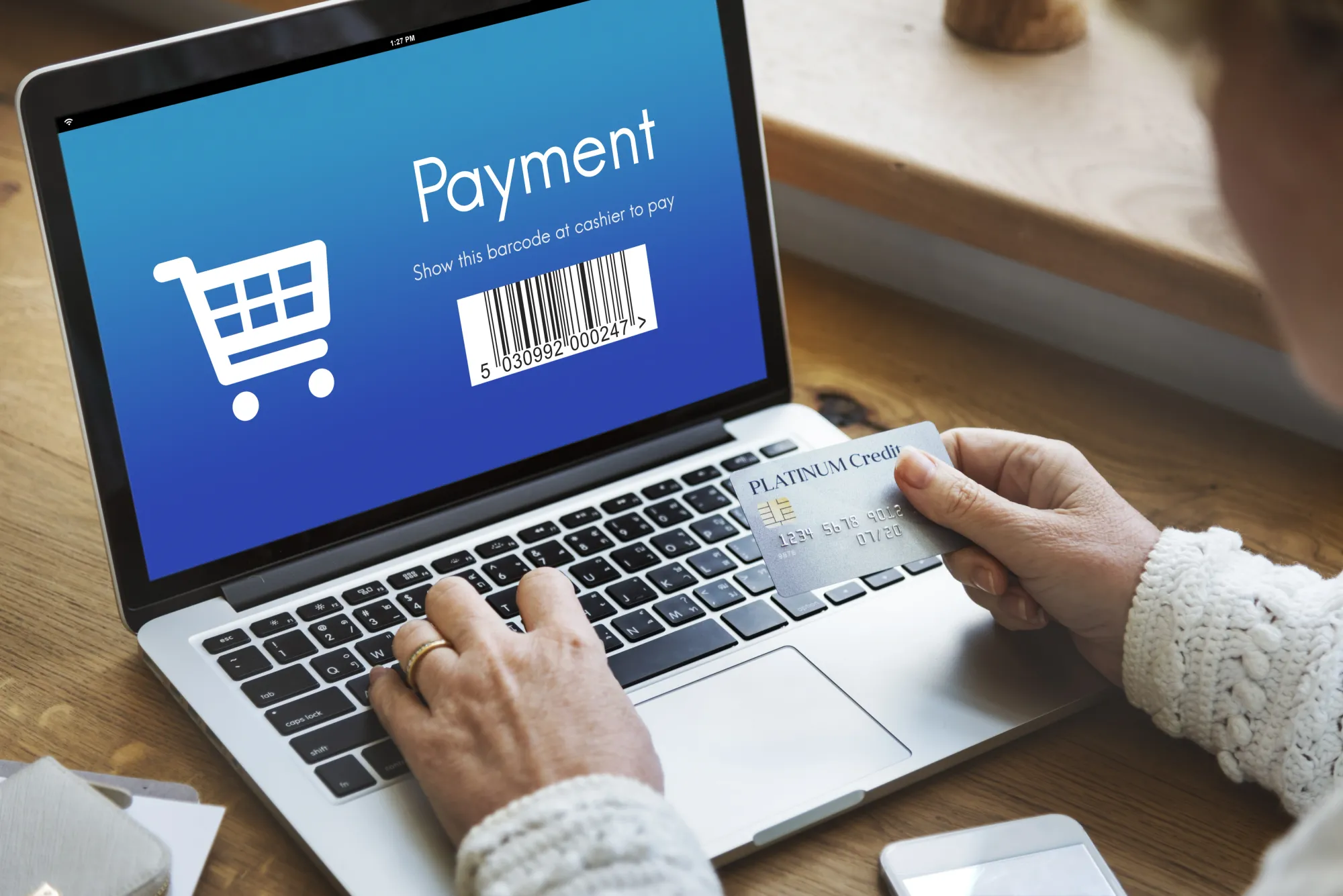
Shopify India UPI Payment Integration Guide for Global Stores (Without a Local Entity)
Global Shopify stores can now offer UPI‑first checkout to Indian buyers without setting up an Indian company, by plugging into RBI‑regulated Payment Aggregator – Cross Border (PA‑CB) providers that collect in INR and settle offshore in USD, EUR and other major currencies. India is now one of the world’s largest digital payments markets, with UPI handling well over 80% of all digital transaction volumes and processing more than 170 billion transactions in 2024 alone. For e‑commerce, UPI has beco

IGST on Imports vs GST on Domestic Purchases: Input Credit, Refund & Common Mistakes (For Indian Import‑Export Businesses)
For most Indian import‑export companies, IGST paid at customs is not a permanent cost but a cash‑flow item that can be neutralised through input tax credit (ITC) and, for exporters, refunds. The challenge is understanding how IGST on imports differs from GST on domestic purchases, how ITC flows through GSTR‑2B and GSTR‑3B, and where mistakes typically block credit or refunds. Why IGST on imports matters Before GST, imports suffered multiple indirect taxes like CVD and SAD, which had their own
Collect Payments from India: The Complete Guide for Global Businesses, PSPs and Fintechs
Accepting payments from India is no longer a “nice to have” for global businesses and PSPs, it’s becoming a core growth channel that now requires a local, UPI‑first, RBI‑compliant strategy. Indian customers increasingly expect to pay in INR via UPI and other local methods, while foreign businesses want settlement offshore in hard currency and a simple way to stay within India’s new Payment Aggregator – Cross Border (PA‑CB) regime. Why accepting payments from India matters now India is one of
How to Import Electronics and Consumer Goods from China to India
India is one of the world’s fastest‑growing markets for smartphones, laptops, LED lighting, small appliances, and lifestyle gadgets, and China is the primary external source for many of these products. Electronics alone account for tens of billions of dollars in annual imports from China and Hong Kong, covering everything from integrated circuits and batteries to consumer devices. For Indian brands, D2C sellers, retailers, and OEMs, importing electronics and consumer goods from China can unlock
Simplify Your International Payments
Skip the complexity of traditional wire transfers with EximPe's smart payment solutions
Lightning Fast
Complete international transfers in hours, not days, with real-time tracking
Bank-Grade Security
Multi-layer encryption and compliance with international banking standards
Global Reach
Send payments to 180+ countries with competitive exchange rates
Why Choose EximPe for International Payments?
Join thousands of businesses who've already made the smart switch to EximPe for faster, cheaper, and more reliable international payments.
EximPe Support
How can we help you with your global payments today?